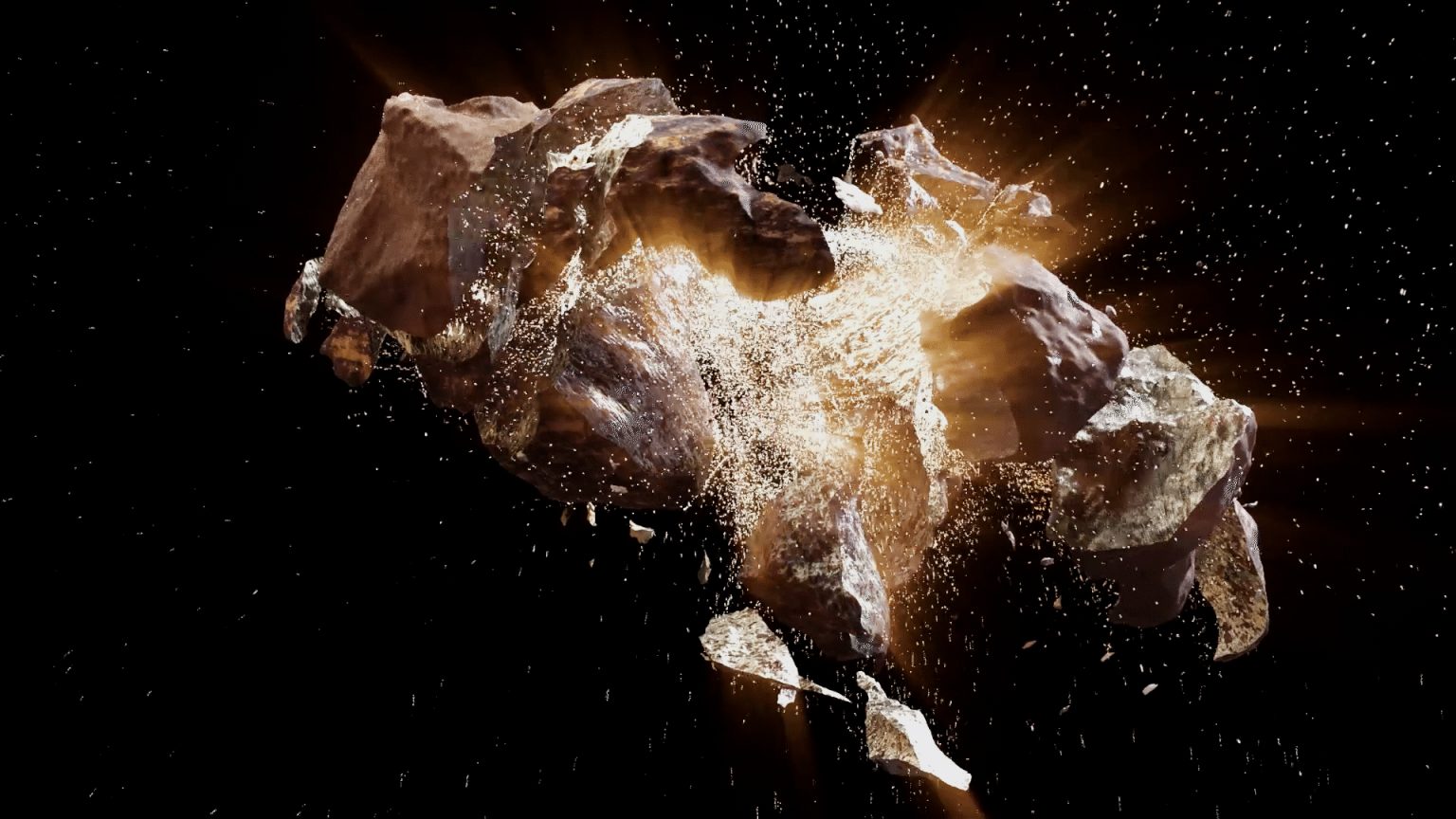
Premiering with the support of Harvestworks, Alien Star Dust is meant to be experienced as a guided meditation bringing to life the sensations of meteorites and micro-meteorites falling on all continents and mixing with the anthropogenic dust falling on our planet from many dimensions. Layers of sounds from inner and outer space with animations of dust and data driven by corona deaths are presented with the intent of honoring those who left their bodies without preparation and all who are suffering. This online version was created as a meditation that is guided by the artist following the extra-terrestrial, terrestrial, and human-made dusts traveling far and wide and creating complexity that is part of an invisible reality. Most go about their daily life without being aware of ever thinking about the extraterrestrial dusts that could be on their kitchen floor, right here on earth. The alien signal is lost in the human noise and the group meditation reclaims our vision of planetary citizenship. Alien Star Dust was sponsored by Harvestworks and funded by the David Bermant Foundation.
Alien Star Dust
Premiering with the support of Harvestworks, Alien Star Dust is meant to be experienced as a guided meditation bringing to life the sensations of meteorites and micro-meteorites falling on all continents and mixing with the anthropogenic dust falling on our planet from many dimensions. Layers of sounds from inner and outer space with animations of dust and data driven by corona deaths are presented with the intent of honoring those who left their bodies without preparation and all who are suffering.