háček

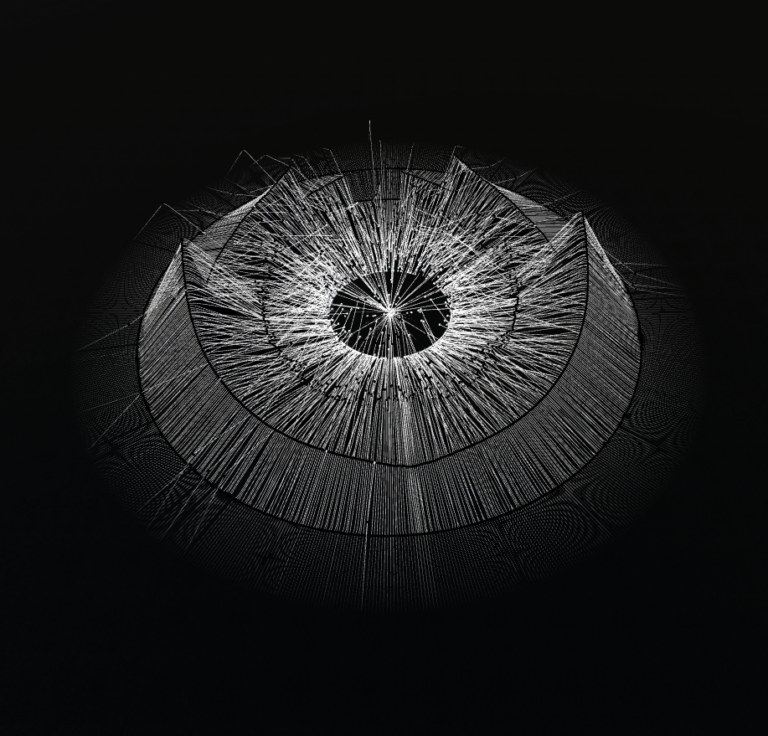
háček presents a physical installation, VR experience, and printed data maps. It employs data to inform an immersive installation while positioning it’s larger impact towards metaphors of networked landscape, security and wayfinding. The data used is taken from real network traffic logs, tracking hackers in real time as they race to be the first in line at the Shmoo Group website, pummeling the site with DDOS, port scans, and sneaky malware as they compete to be the first to get their hands on the prize. The valiant defenders deflect bots, cheats, and attacks at every turn as they try to keep the site online.


háček presents a physical installation, VR experience, and printed data maps. It employs data to inform an immersive installation while positioning it’s larger impact towards metaphors of networked landscape, security and wayfinding. The data used is taken from real network traffic logs, tracking hackers in real time as they race to be the first in line at the Shmoo Group website, pummeling the site with DDOS, port scans, and sneaky malware as they compete to be the first to get their hands on the prize. The valiant defenders deflect bots, cheats, and attacks at every turn as they try to keep the site online. háček is not just data visualizations or VR gaming in the formal sense—but more akin to abstractions and metaphorical art works that reflect the data, pieces potentially to be enjoyed entirely out of context. Sponsored in part by Harvestworks with funds from O’Reilly Media.

COLLABORATORS: Laura Munn, Michael Witkovsky, Kari Barry, N.K. Laurence, Imoni Cole-Palmer & Tim Vallier
With an interdisciplinary career blending classical training in cello and composition, sound/audio data research, and innovative computational arts education, Margaret Anne Schedel transcends the boundaries of disparate fields to produce integrated work at the nexus of computation and the arts. Her diverse creative output spans the interactive multimedia operas, virtual reality experiences, sound art, video game scores, and compositions for a wide variety of classical instruments or custom controllers with interactive audio and video processing.


Melissa F. Clarke is a Brooklyn based interdisciplinary creative whose work often employs generative and interactive custom-programmed environments. Melissa is an educator, designer, and an artist working at the intersections of research, science, architectural and user experience. She extrapolates research into multimedia installations, generative video and sound sculptures, performances, printed images and experiential design work.