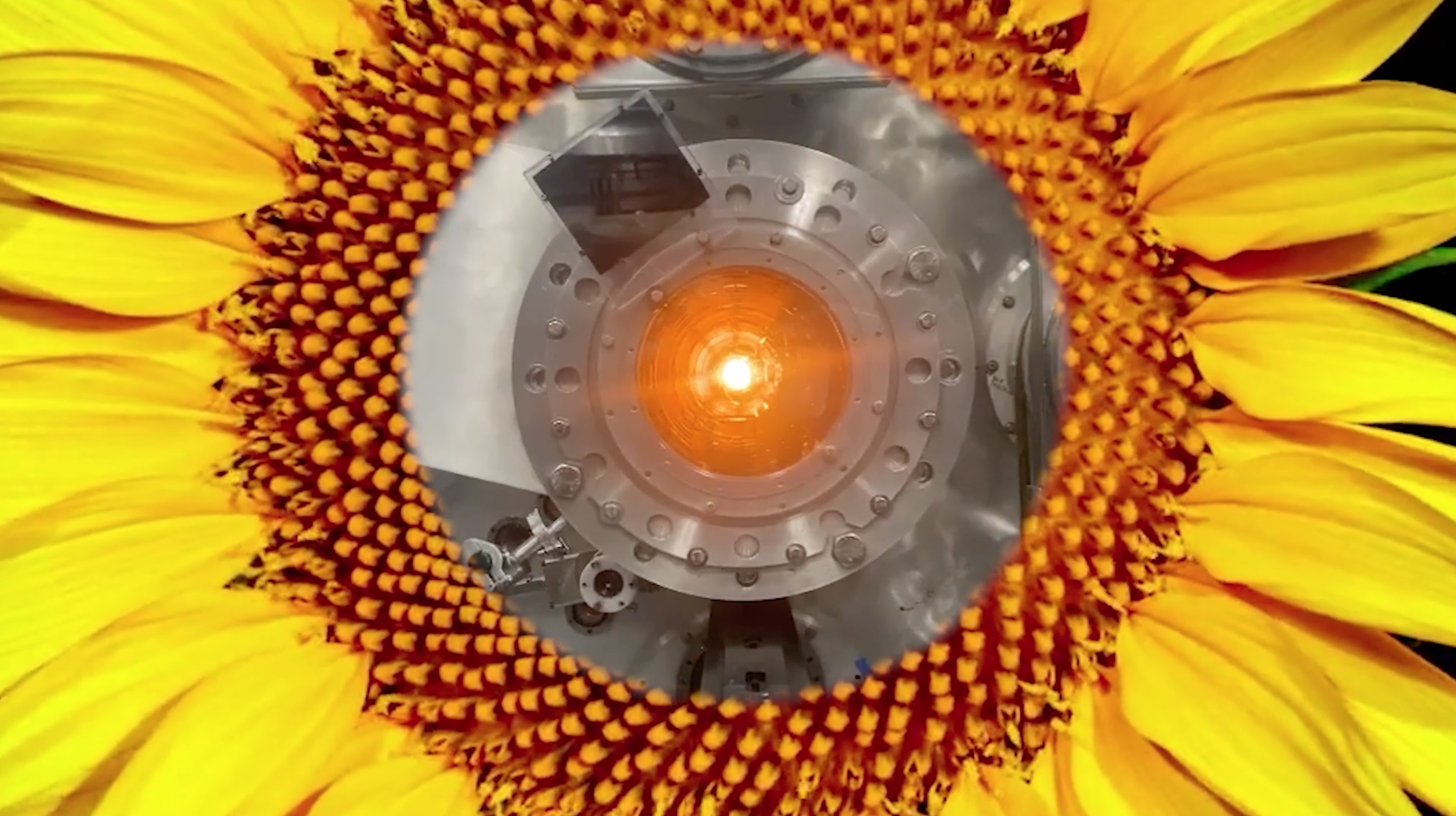

Consider the sunflower, with its radiant bloom following the sun, and Alfven waves, which are magnetohydrodynamic waves in plasma traveling along magnetic field lines. Both the sunflower and Alfven waves exemplify a harmonious interaction between natural elements and forces, illustrating how art and science can intertwine to reveal deeper understandings.
The sunflower’s heliotropic movement, where it follows the path of the sun across the sky, is a natural manifestation of phototropism, a biological response to light. This elegant dance with the sun not only optimizes the plant’s ability to photosynthesize but also symbolizes growth, energy, and the intricate patterns found in nature.
Similarly, Alfven waves propagate through the plasma of the sun’s corona and the interstellar medium, transporting energy along magnetic field lines. These waves play a crucial role in space weather phenomena, influencing solar wind and magnetic fields that impact our planet. The study of Alfven waves provides insights into the dynamics of the sun and other astrophysical bodies, highlighting the delicate balance of forces at play in the universe.
By drawing parallels between the sunflower’s interaction with sunlight and the behavior of Alfven waves in cosmic plasma, we can appreciate the interconnectedness of all things, from the smallest biological systems to the vast expanse of space. This connection underscores the importance of interdisciplinary approaches, where the principles of art and science converge to deepen our understanding of the world and inspire solutions to global challenges.
This concept is at the heart of the SUNFlower Waves project. Victoria Vesna joined forces with one of the top experts in Alfven waves, experimental plasma physicist Dr. Walter Gekelman, who is recognized for his pioneering work on Alfvén waves and ion acoustic instabilities and turbulence in a magnetic field and flux ropes. He constructed the original Large Plasma Device, a 22-meter-long machine with a 60 cm diameter, 18-meter-long fully ionized magnetized plasma. The magnetic field can be as high as 2.0 kG and is the largest, most versatile basic plasma device in the world.
Building upon their joint teaching experience from the previous year’s “Art + Physics = Energy” class, which included a visit to the National Ignition Facility at Lawrence Livermore Laboratory, they developed a conceptual framework for this complex project. During this time, they planted sunflowers and explored their complexity in various cultures, recognizing their direct connection to the sun and the harmonious interplay of ecological factors such as nutrients, pollination by insects, and the underlying genetic blueprint. Furthermore, their discussion extends to the geopolitical dimensions of sunflower oil production, predominantly centered in Russia and Ukraine, and its global transportation to countries like China.
The connection between Alfven waves and sunflowers goes deeper than a mere metaphor. Alfven waves, named after the Nobel laureate Hannes Alfven, are fundamental to understanding the behavior of plasmas in the solar system and beyond. These waves transfer energy and momentum through the plasma, influencing phenomena such as solar flares and the auroras on Earth. This energy transfer and interaction within the plasma can be seen as a cosmic dance similar to how sunflowers interact with solar energy to thrive and grow.
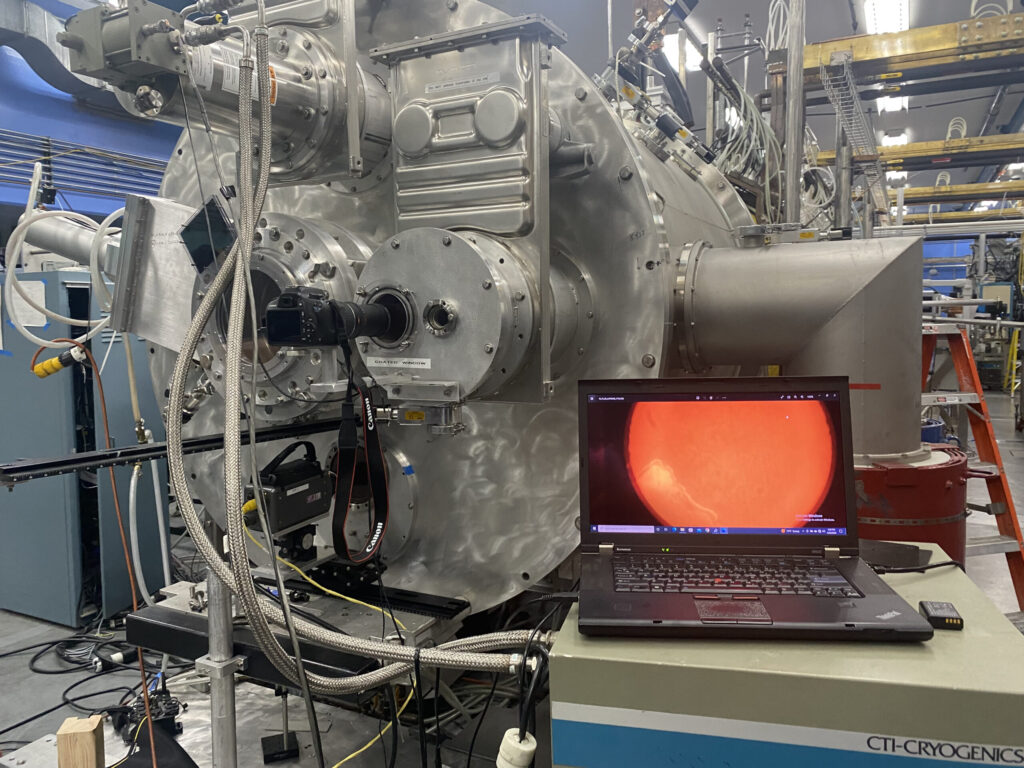
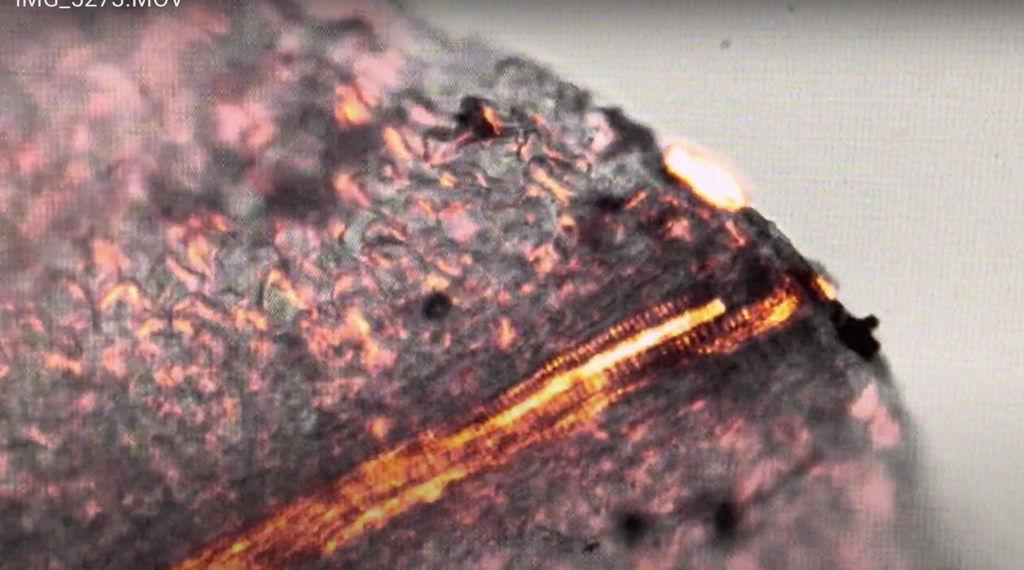
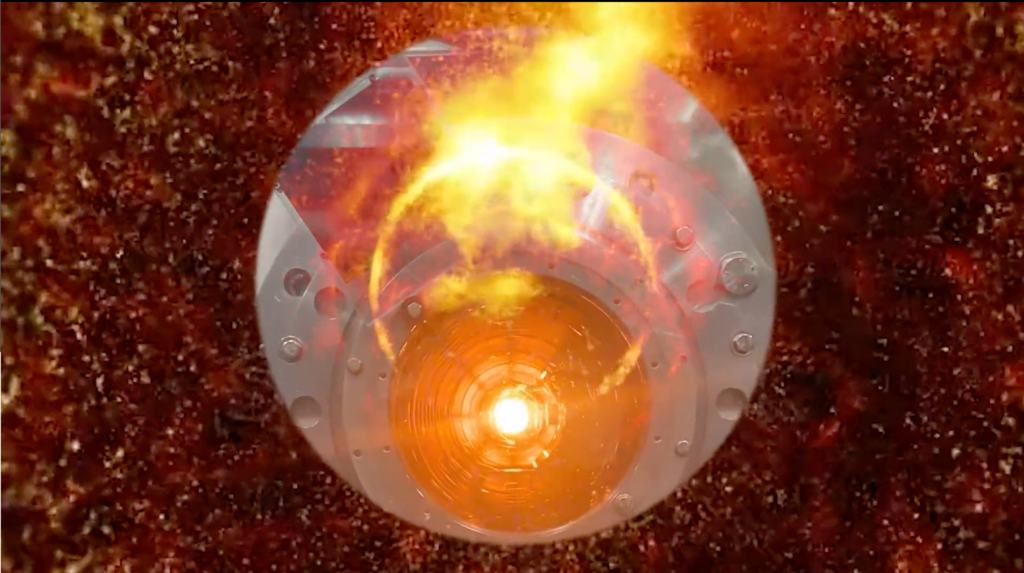
Videos and imaging come directly from the Large Plasma Device lab, which was used for pioneering experiments on the propagation of Alfven waves, along with some sourced from NASA’s Parker Solar Probe. Microscopic imaging was enabled by biomedical engineer Haley Marks, who specializes in advanced light microscopy. She trained Victoria to use this technology to image sunflower petals, pollen, flower, and stalk. Remarkably, these images revealed structures resembling the sun, reinforcing the profound link between the sunflower and solar phenomena. Just as the sunflowers exhibit patterns and behaviors guided by sunlight, the Alfven waves demonstrate the underlying principles of energy and movement in the universe. This parallel provides a compelling visual and scientific narrative, bridging the gap between the microscopic beauty of nature and the vast, dynamic processes of astrophysics.
The auditory journey involves a rich tapestry of sounds, including ambient noise from plasma physics fusion labs, data sonification of movement within the plasma machine, solar wind recordings from space agencies like NASA and ESA, three-dimensional representations of bee hives, polyphonic chants, bird songs, and a diverse array of animal calls. This immersive experience serves as a meditation on the energy of the sun and humanity’s endeavors to achieve fusion, while also presenting a cycle of creation and destruction.